Cheese is a staple in many homes, and Aldi offers a wide range of popular cheeses. But sometimes, products are recalled for safety reasons. Aldi cheese recalls alert customers when there is a potential risk, such as contamination or mislabeling. Staying informed helps protect your health and your family. In this article, we’ll explain why recalls happen, how to check for them, and what steps you should take.
Table of Contents
What Are Aldi Cheese Recalls?
Aldi cheese recalls are official alerts when a cheese product may not be safe to eat. These recalls can happen due to bacteria like Listeria, foreign objects, or incorrect labeling. Aldi issues these alerts to protect customers and ensure safety standards are met. Recalls are usually posted on Aldi’s website, social media, or via news outlets. Checking regularly can prevent serious health issues and helps you respond quickly if you own a recalled product.
Common Reasons for Cheese Recalls
Cheese recalls usually happen for a few main reasons:
- Bacterial contamination like Listeria or Salmonella.
- Foreign objects accidentally in the product.
- Allergen mislabeling — for example, undeclared milk or nuts.
- Quality issues like unusual smell or texture.
Understanding these reasons helps customers take recalls seriously and follow Aldi’s instructions safely.
How to Check if Your Cheese Is Recalled
To check for aldi cheese recalls, you can:
- Visit the Aldi website under “Recall Alerts.”
- Sign up for email notifications from Aldi.
- Follow Aldi on social media channels for updates.
- Check government recall websites like the FDA or USDA.
Always verify the product name, batch number, and expiration date to confirm if it’s affected.
Recent Aldi Cheese Recalls
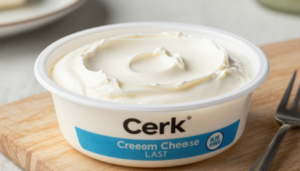
Aldi has issued recalls in the past for products like shredded cheddar, soft cheese spreads, and specialty cheeses. These recalls were mainly due to contamination risks or mislabeling. Customers were advised to return the product or dispose of it safely. Staying informed about these recalls is crucial, especially if you buy Aldi cheese regularly.
What to Do if You Bought Recalled Cheese
If you discover your cheese is recalled:
- Do not eat it.
- Return it to Aldi for a refund.
- Dispose of it safely if returning isn’t possible.
- Seek medical attention if you feel unwell after consuming it.
Following these steps ensures you stay safe and follow Aldi’s safety procedures.
How Aldi Handles Cheese Safety
Aldi takes food safety seriously. They conduct regular quality checks, monitor suppliers, and respond quickly to any potential risk. The store’s commitment to safety means that recalls are an important tool to protect customers and maintain trust. Knowing that Aldi prioritizes safety helps families feel confident in their purchases.
Tips to Avoid Buying Recalled Cheese
To reduce risk:
- Check labels for expiration and batch numbers.
- Buy from trusted sources and check Aldi’s updates.
- Store cheese properly to prevent spoilage.
- Use alerts from government and retail recall websites.
Being proactive helps you avoid recalled products and keeps your meals safe.
Are All Aldi Cheeses Safe?
Most Aldi cheeses are safe to consume. Recalls are rare, but when they happen, they are taken seriously. Always check recent recall alerts, especially if you purchase soft cheeses or shredded varieties, which can be more prone to bacterial contamination. Proper storage and attention to recall notices make cheese consumption safer.
The Role of Customers in Recalls
Customers play a key role by:
- Reporting unusual taste or smell.
- Checking Aldi recall notices.
- Sharing alerts with friends or family.
By participating, customers help prevent health risks and support Aldi in maintaining food safety standards.
FAQs
1. How often does Aldi recall cheese?
Recalls are rare but can happen anytime there’s a contamination risk. Aldi acts quickly to inform customers.
2. Where can I find Aldi cheese recall lists?
Check Aldi’s website, social media, and official government recall pages.
3. Can I return recalled cheese for a refund?
Yes. Aldi offers full refunds for recalled products, even without a receipt.
4. What health risks are linked to recalled cheese?
Risks may include foodborne illnesses like Listeria or Salmonella. Vulnerable groups should be extra careful.
5. How do I know if my cheese batch is affected?
Compare the product name, batch number, and expiration date with the recall notice.
6. Can recalled cheese make healthy people sick?
Yes. While healthy adults may have mild symptoms, children, elderly, and pregnant people are at higher risk.
Conclusion
Aldi cheese recalls are a vital safety measure to protect customers. By staying informed, checking batch numbers, and following Aldi’s instructions, you can avoid potential health risks. Always store cheese properly, follow recall alerts, and act quickly if your product is affected. Sharing information with family and friends also helps keep your community safe. Staying alert ensures your meals remain both delicious and safe.