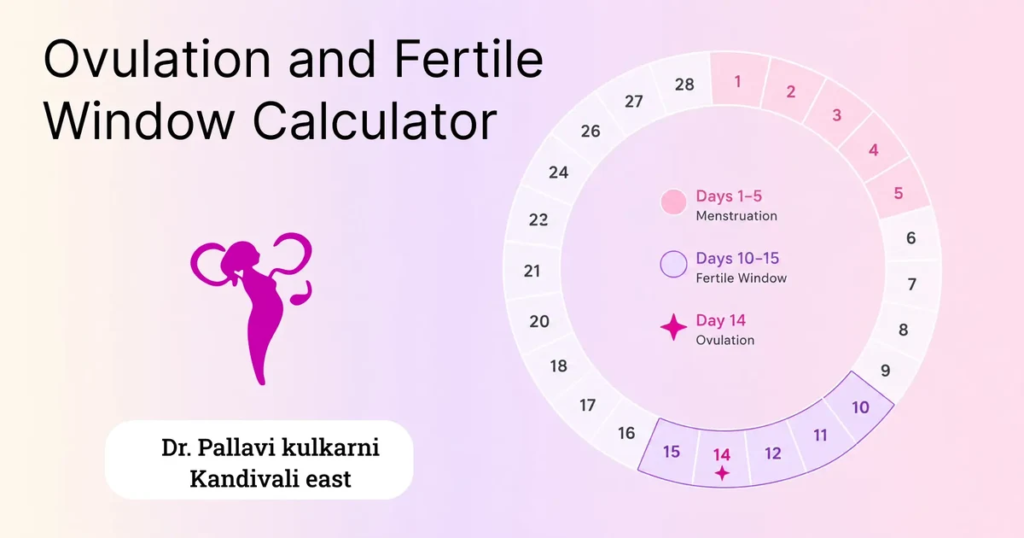
Trying to conceive can feel like an exciting journey, but it also comes with many questions about your body. One of the best ways to understand your reproductive health is by using an ovulation calculator. This simple tool helps you estimate when your body releases a mature egg each month. By knowing this specific timeframe, you can plan the best days to try for a baby. Many women find that tracking their cycle removes much of the stress and guesswork from family.
When you use an ovulation calculator, you gain valuable insights into how your menstrual cycle functions. Every woman’s body has its own unique rhythm, and understanding that rhythm is key. In this guide, we will break down how fertility tracking works in simple terms. You will learn about the phases of your cycle, signs of ovulation, and practical lifestyle habits that support healthy conception. Let us explore how you can comfortably navigate your path toward pregnancy.
Table of Contents
How an Ovulation Calculator Helps You Track Your Cycle
An ovulation calculator works by taking the date of your last period and your average cycle length to estimate your most fertile window. Most standard cycles last anywhere from 21 to 35 days, with 28 days being a common average. The tool counts backward from the expected date of your next period to estimate when an egg will be released. This simple calculation gives you a clear target window for intimate connection with your partner.
Using an ovulation calculator regularly allows you to notice patterns over time. While the digital tool gives a great baseline estimate, combining it with your own physical observations makes tracking even more accurate. It acts as a helpful personal guide, keeping you informed without requiring complicated manual math every single month.
What Is Ovulation and Why Does Timing Matter?
Ovulation occurs when one of your ovaries releases a mature egg into the fallopian tube. Once released, the egg survives for only about 12 to 24 hours unless it gets fertilized by a sperm cell. Because the life of an egg is brief, timing becomes extremely important when you want to conceive. Entering your cycle details into an ovulation calculator helps you prepare for this brief window of opportunity.
Healthy sperm, on the other hand, can live inside the female reproductive tract for up to five days. This means your total fertile window actually spans about six days: the five days before you ovulate plus the day of ovulation itself. A reliable ovulation calculator highlights these key days so you do not miss your chance each month.
The Four Phases of Your Menstrual Cycle Explained
Your menstrual cycle is made up of four continuous phases that repeat each month. The first phase is menstruation, which begins on the first day of your period bleeding. The second phase is the follicular phase, where your body prepares a new egg for release while boosting your estrogen levels. Tracking these initial days in an ovulation calculator sets the baseline for predicting the rest of your cycle.
The third phase is ovulation itself, followed by the fourth phase known as the luteal phase. During the luteal phase, progesterone rises to thicken your uterine lining, preparing it for a potential pregnancy. If conception does not occur, hormone levels drop, and the cycle starts over again. Understanding these four distinct stages helps you appreciate how an ovulation calculator organizes your biological timeline.
Recognizing the Key Physical Signs of Ovulation
While an ovulation calculator provides helpful digital estimates, your body also sends clear physical signals when you are fertile. One common sign is a change in your cervical mucus, which becomes clear, slippery, and stretchy, resembling raw egg whites. This special fluid helps sperm swim smoothly up toward the egg. Checking this physical symptom alongside your calculator results helps confirm your fertile timing.
Other subtle body signals include mild lower abdominal twinges, light breast tenderness, or a slight rise in your resting body temperature. Some women also notice a slight increase in their energy levels or libido around this time. Paying attention to these natural body cues while checking your ovulation calculator gives you a complete picture of your fertility.
Basal Body Temperature and Ovulation Tracking
Your basal body temperature is your body’s baseline temperature taken immediately when you wake up in the morning. Before you ovulate, your temperature is slightly lower, but right after ovulation, progesterone causes it to rise slightly. Recording this daily reading on a chart helps confirm that ovulation actually took place. You can compare these physical temperature shifts against the predictions from your ovulation calculator.
It is helpful to keep a digital thermometer on your nightstand so you can take your temperature before even sitting up. Over a few months, you will see a clear temperature pattern emerge. Using this method alongside an ovulation calculator offers a reliable dual system for monitoring your monthly hormonal shifts.
How Irregular Cycles Affect Ovulation Predictions
If your menstrual periods do not arrive on a predictable schedule, cycle tracking can feel a bit challenging. Irregular cycles can be caused by stress, routine shifts, sudden weight changes, or underlying health conditions. An ovulation calculator can still offer useful estimations, but you may need to input your shortest and longest cycle lengths to find a range.
When dealing with variable cycle lengths, relying solely on dates might not be enough. Combining digital estimates from an ovulation calculator with ovulation predictor kits or physical symptom checks ensures higher accuracy. If your cycle continuously varies by more than a week, discussing your routine with a healthcare professional is always a smart step.
Simple Lifestyle Changes to Boost Your Natural Fertility
Supporting your reproductive health starts with everyday lifestyle habits that nurture your overall well-being. Eating a balanced diet rich in whole foods, leafy greens, healthy fats, and lean proteins provides essential nutrients for hormone balance. Staying properly hydrated and maintaining regular, low-impact exercise also supports healthy blood flow to your reproductive organs. These healthy habits work hand in hand with tracking through an ovulation calculator.
Managing stress is equally critical because high stress hormones can disrupt your normal monthly cycle. Practicing gentle activities like walking, deep breathing exercises, or restful sleep routines helps keep your nervous system calm. When your body feels safe and balanced, your hormonal cycle becomes much more predictable for your ovulation calculator to measure.
When to Start Using an Ovulation Calculator
The best time to start using an ovulation calculator is right now, regardless of whether you plan to conceive immediately or in a few months. Starting early gives you plenty of time to learn your personal cycle patterns without any pressure. Simply record the exact start date of your last period to begin generating your personal estimates.
By tracking your data over three to six months, you build a strong history of your natural body rhythms. This historical data improves the accuracy of any digital ovulation calculator you choose to use. Being proactive helps you enter your conception journey feeling confident, relaxed, and fully informed.
Comparing Ovulation Calculators, Apps, and Predictor Kits
There are several helpful tools available today for monitoring your monthly fertility. An ovulation calculator offers a fast, free, and straightforward mathematical estimate based on calendar dates. Mobile tracking apps offer similar conveniences with added features like symptom logging and daily reminders. These digital options serve as convenient primary tools for everyday tracking.
Ovulation predictor test kits work differently by measuring the surge of luteinizing hormone in your urine right before an egg is released. Using these physical tests on the specific days highlighted by your ovulation calculator provides maximum confidence. Combining simple mathematical tools with direct hormonal tests gives you the ultimate accuracy.
Complete Overview Table: Menstrual Cycle Phases and Ovulation Indicators
| Cycle Phase | Typical Days | Key Biological Event | Physical Signs to Watch | How Ovulation Calculator Helps |
| Menstrual Phase | Days 1–5 | Uterine lining sheds | Menstrual bleeding, mild cramping | Sets the baseline start date for tracking |
| Follicular Phase | Days 6–13 | Egg matures in the ovary | Rising energy, lighter cervical fluid | Calculates the build-up toward your fertile window |
| Ovulation Phase | Day 14 (Variable) | Egg is released from ovary | Clear, stretchy cervical mucus, mild twinges | Identifies your peak fertile days for conception |
| Luteal Phase | Days 15–28 | Uterus prepares for potential egg | Slight rise in basal body temperature | Estimates when your next period or pregnancy test is due |
Essential Nutrition and Vitamins for Conception
Fueling your body with proper nutrients creates an ideal environment for potential pregnancy. Taking a daily prenatal vitamin containing folic acid is widely recommended for women planning to conceive. Folic acid supports early neural development and promotes overall cellular health. Pair your nutritional supplements with healthy daily tracking using an ovulation calculator.
Incorporate foods rich in antioxidants, zinc, omega-3 fatty acids, and iron into your daily meals. Dark leafy greens, nuts, seeds, berries, and avocado support balanced hormone production. Nourishing your body with these whole foods helps ensure that your cycle remains smooth and steady month after month.
When to Speak with a Healthcare Professional
Tracking your fertility with an ovulation calculator is an empowering self-care practice, but professional medical guidance remains invaluable. If you are under 35 and have been actively trying to conceive for a full year, scheduling a visit with a doctor is a good idea. If you are 35 or older, seeking advice after six months of trying is recommended.
A healthcare provider can offer personalized diagnostic checks, evaluate hormone levels, and answer specific questions about your fertility journey. Bringing your cycle records and predictions from your ovulation calculator to your appointment provides your doctor with useful background information. Professional support ensures you receive tailored guidance every step of the way.
Frequently Asked Questions
How exact is an ovulation calculator?
An ovulation calculator provides a very good mathematical estimate based on average cycle lengths. However, because human bodies naturally fluctuate due to stress or health changes, pairing the calculator with physical symptom tracking yields the best results.
Can I get pregnant outside of my fertile window?
It is very unlikely to get pregnant outside of your fertile window. Sperm can survive up to five days inside the body, and the egg lives for 24 hours, making that six-day window the only timeframe where conception can occur.
What if my menstrual cycle length changes every month?
If your cycle varies significantly, enter your average cycle length over the past three months into the ovulation calculator. You can also combine calendar predictions with ovulation test strips for better accuracy.
Does an ovulation calculator work if I am on birth control?
Hormonal birth control prevents your ovaries from releasing an egg, so an ovulation calculator will not be accurate while using it. Once you stop taking birth control and your natural period returns, you can begin tracking.
What is the difference between an ovulation calculator and a pregnancy test?
An ovulation calculator predicts the best days for you to conceive before ovulation happens. A pregnancy test detects the presence of pregnancy hormones in your body after fertilization and implantation have occurred.
Can stress delay the ovulation date predicted by my calculator?
Yes, high levels of emotional or physical stress can delay hormone release, causing ovulation to happen later than expected. If you experience a stressful week, your actual fertile days might shift slightly from your calculated estimate.
Conclusion: Empower Your Conception Journey Today
Understanding your reproductive body is one of the most rewarding steps you can take when planning for a family. Utilizing a reliable ovulation calculator provides you with clear, stress-free insights into your monthly fertility cycle. By combining digital tracking with natural body awareness and healthy lifestyle choices, you set a strong foundation for your conception journey. Start logging your cycle dates today, trust your body’s signals, and take confident steps toward growing your family.